Why do people refuse protection that already exists?
The Dandelion Project studies how trust, perception, and access shape real-world health decisions.
The Dandelion Project began with a question, not a campaign.
Chuxuan (Kaylee) Zhang, 17, attends Queenwood School for Girls in Sydney. Born in China and raised between Beijing and Sydney, she developed the Dandelion Project to study why preventive health knowledge does or does not become action.
The gap: influenza vaccination rates in China sit below 4%, while the United States reaches 42–47%. Same virus, same science — fundamentally different decisions.
In July 2025, Kaylee brought that question to Zhangcao Village, Shanxi.
That experience led to the Dandelion Decision Framework: Trust, Perception, and Access.
The Dandelion Decision Framework
A behavioral model for understanding why prevention is available, but not always chosen.
Trust shapes whether health information is accepted, ignored, or questioned.
Preventive action depends not on objective risk, but perceived risk.
Even when trust and perception align, action fails if access is difficult.
Why these forces must be read together
Preventive behavior becomes possible only when trust, perception, and access all align.
“Prevention is chosen when belief, urgency, and practicality align.”
A field-tested education workflow
The Beijing session translated the Dandelion framework into a complete field workflow.
Matched pre/post responses were compiled from the Beijing activity.
The vaccine-risk item increased from 23/80 before the session to 80/80 after.
All valid post-session responses selected the positive option.
Public coverage of the Beijing activity provides external validation.
Dandelion Project enters Beijing Tongzhou
Reports the June 28 community health education activity.
Bringing prevention knowledge to grassroots communities
Highlights planning, volunteer organization, surveys, and founder leadership.
Health-platform republication
A health-platform republication broadening public visibility.
Selected photographs document the full Beijing workflow.
A lightweight clip from the Beijing activity is included for motion context.
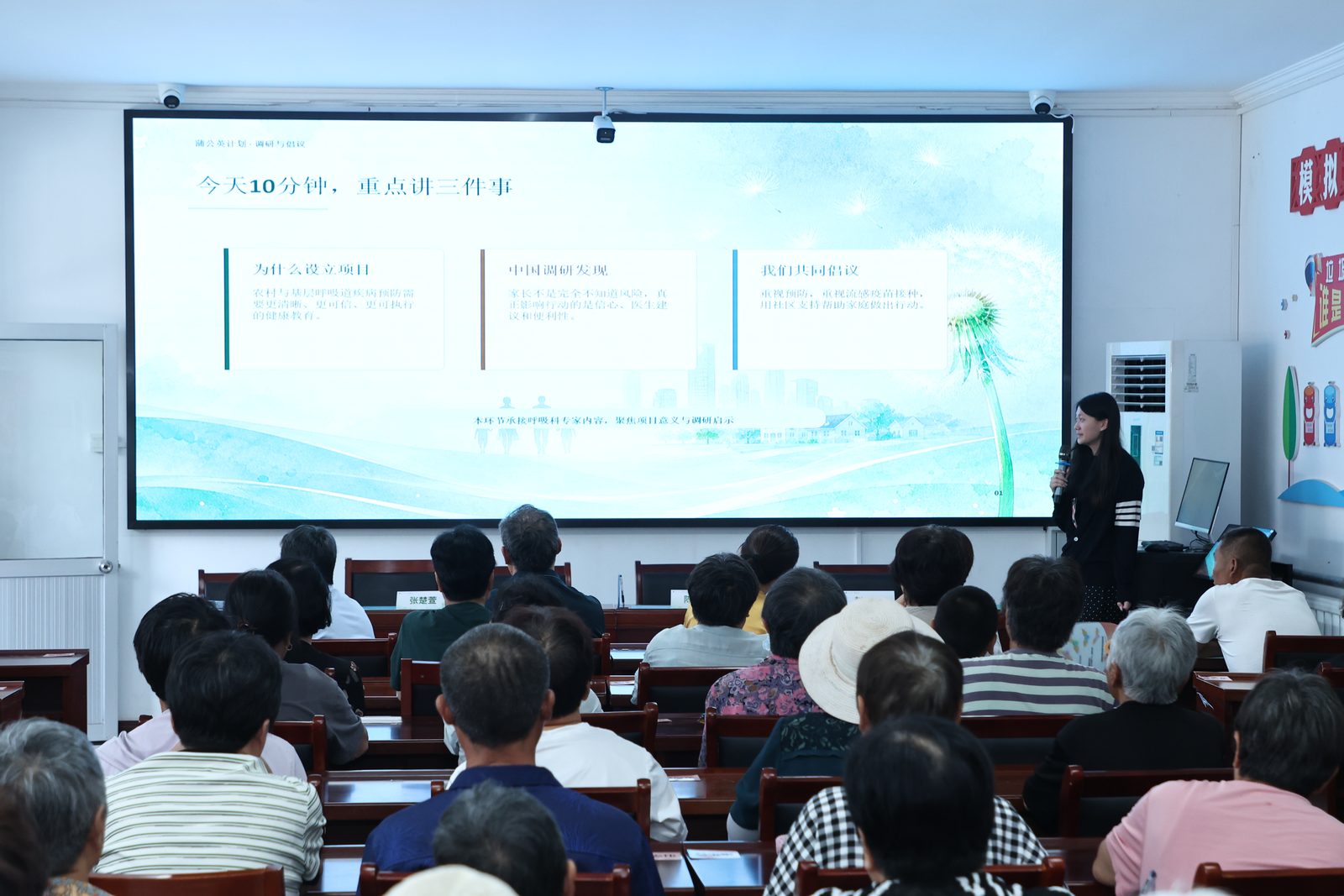
The course was delivered with project slides and community discussion prompts.
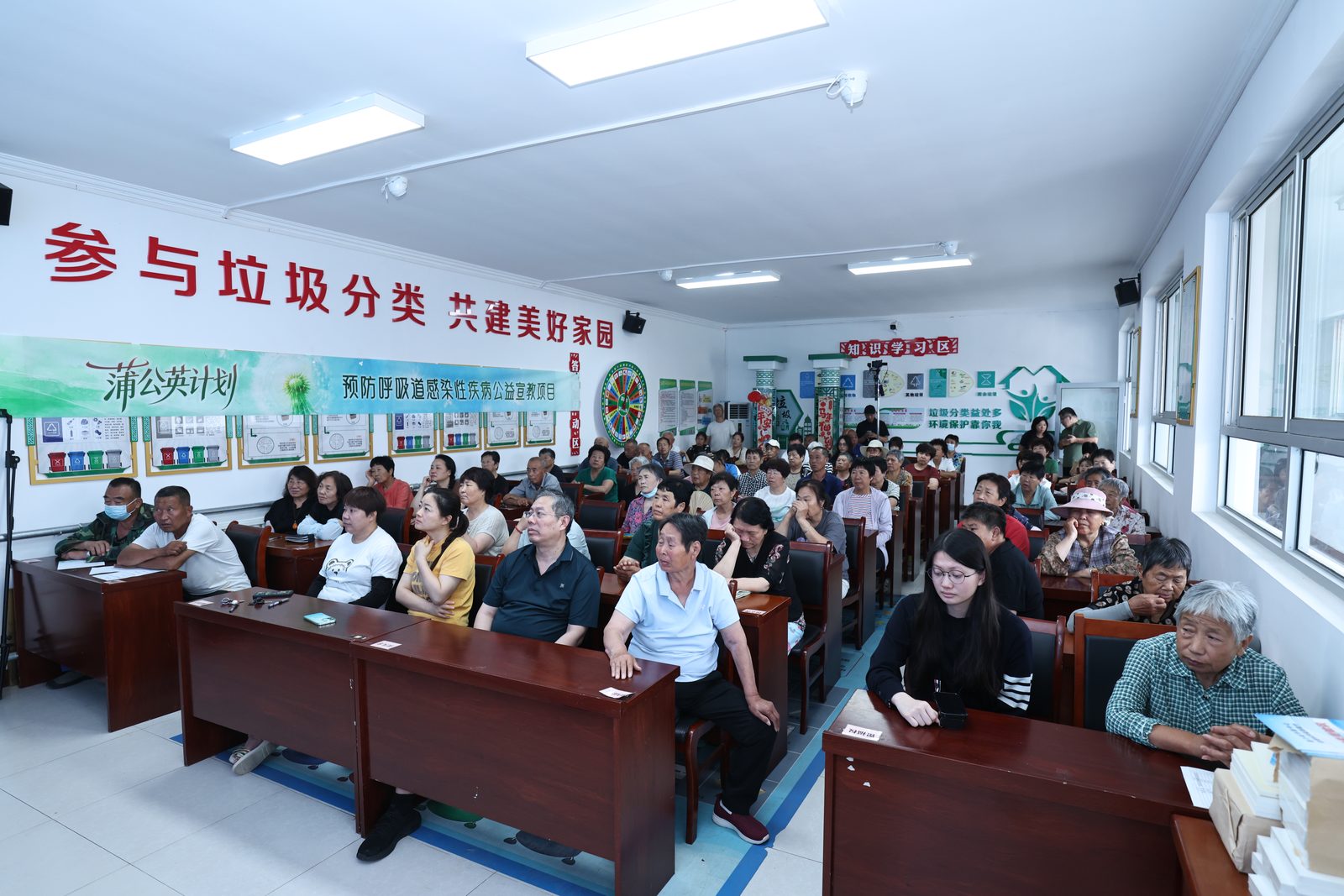
Residents attended the session in the village meeting room.
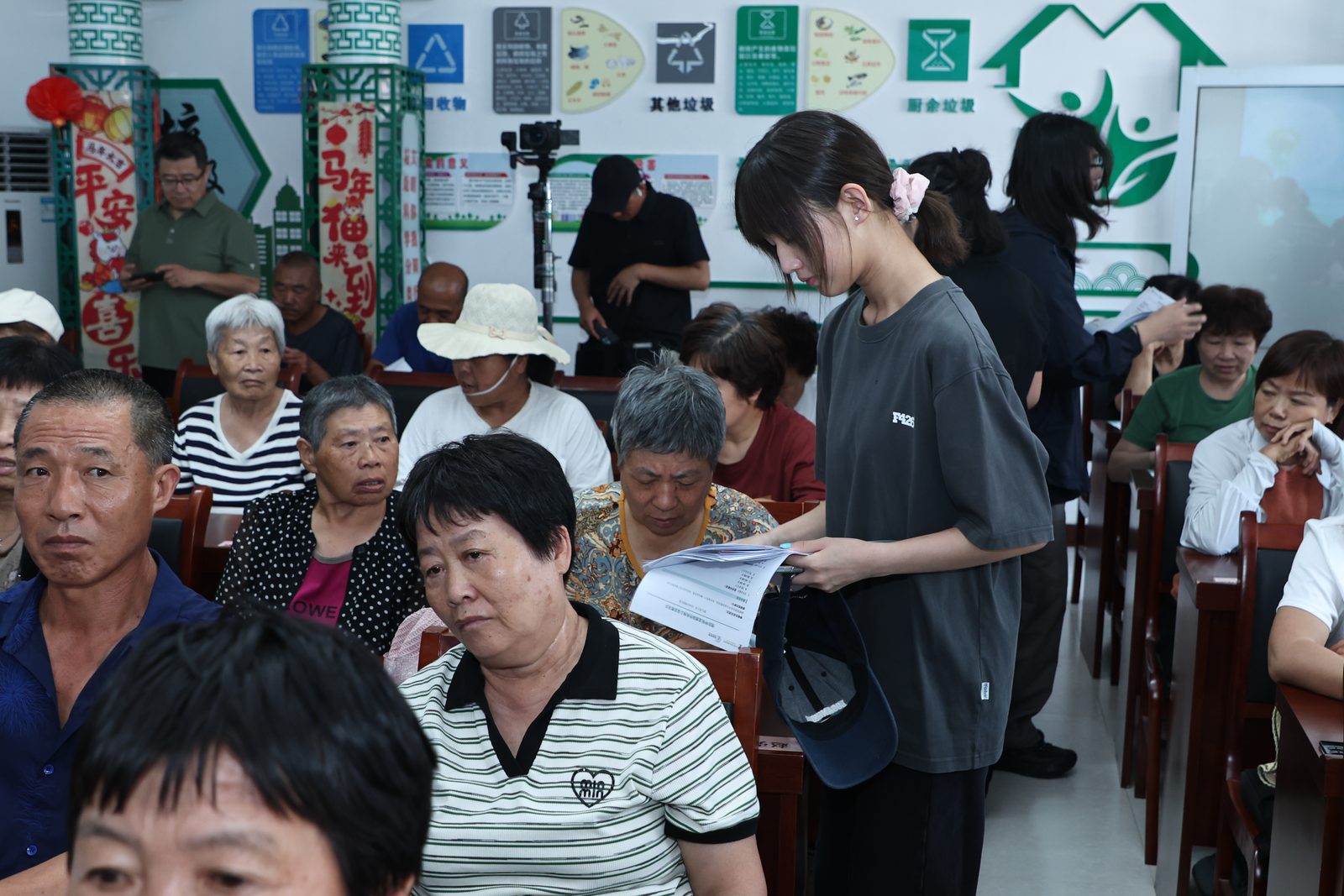
Volunteers supported participants during discussion and questionnaires.
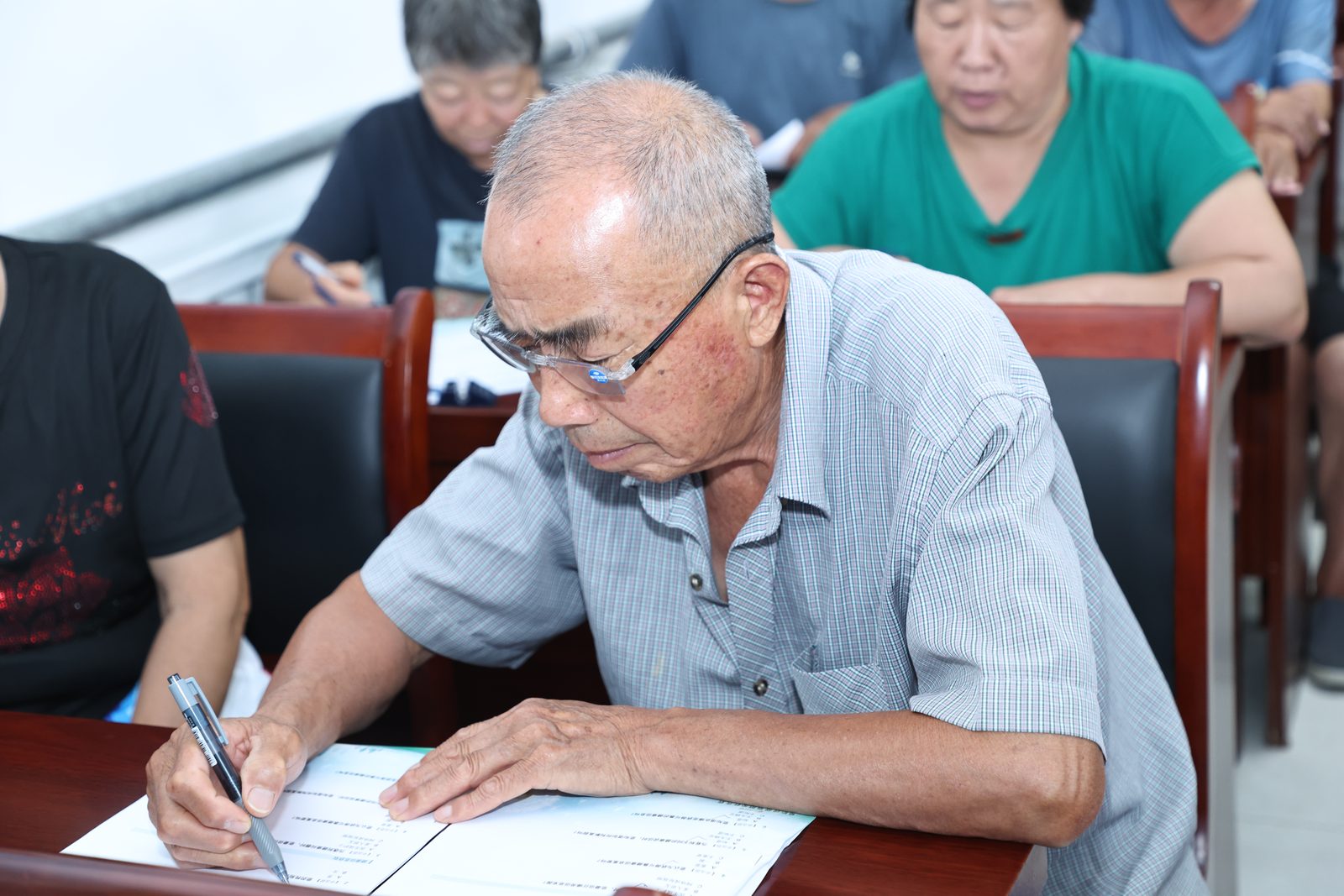
The activity used anonymous pre/post questionnaires.
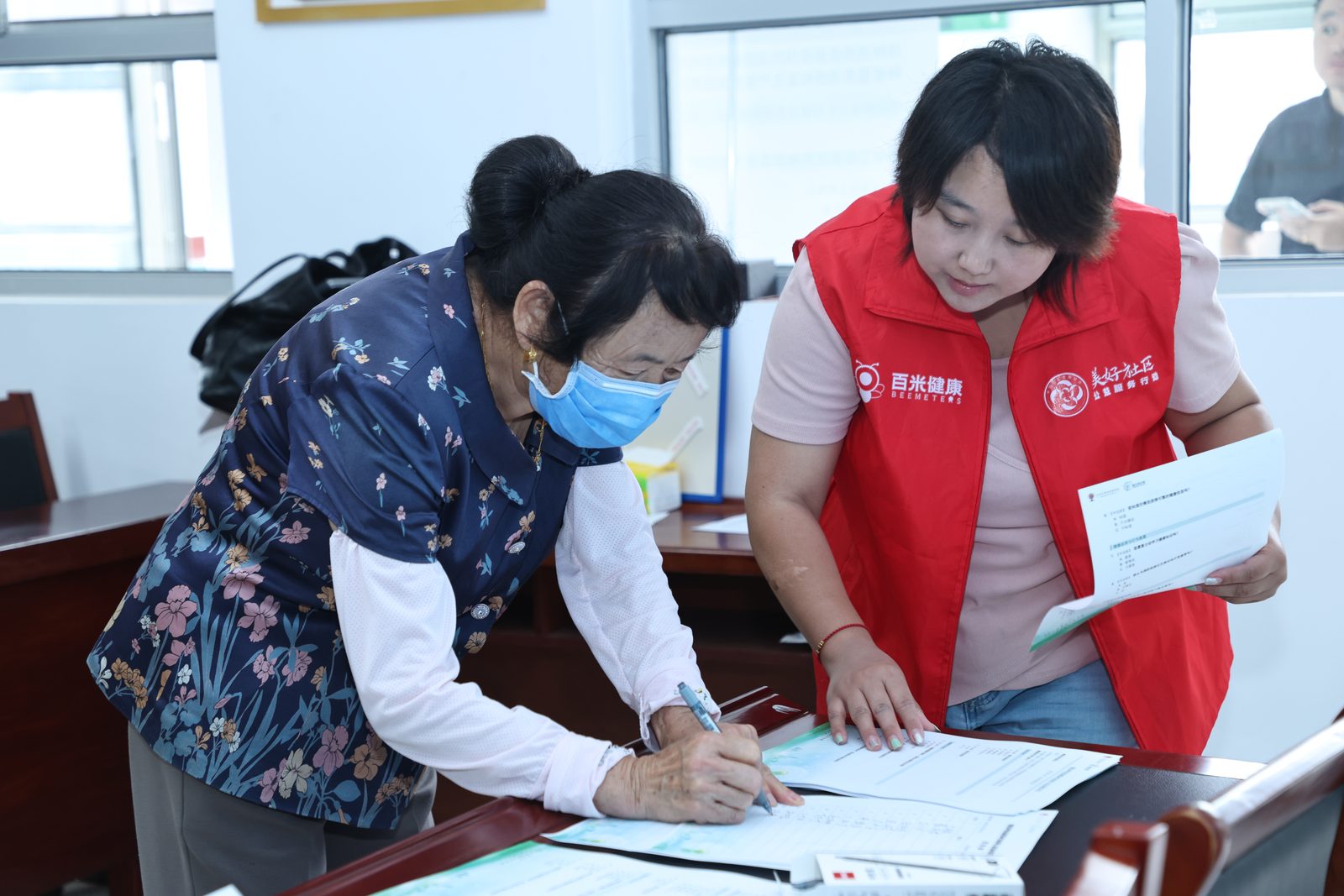
Volunteer guidance helped older participants complete forms.
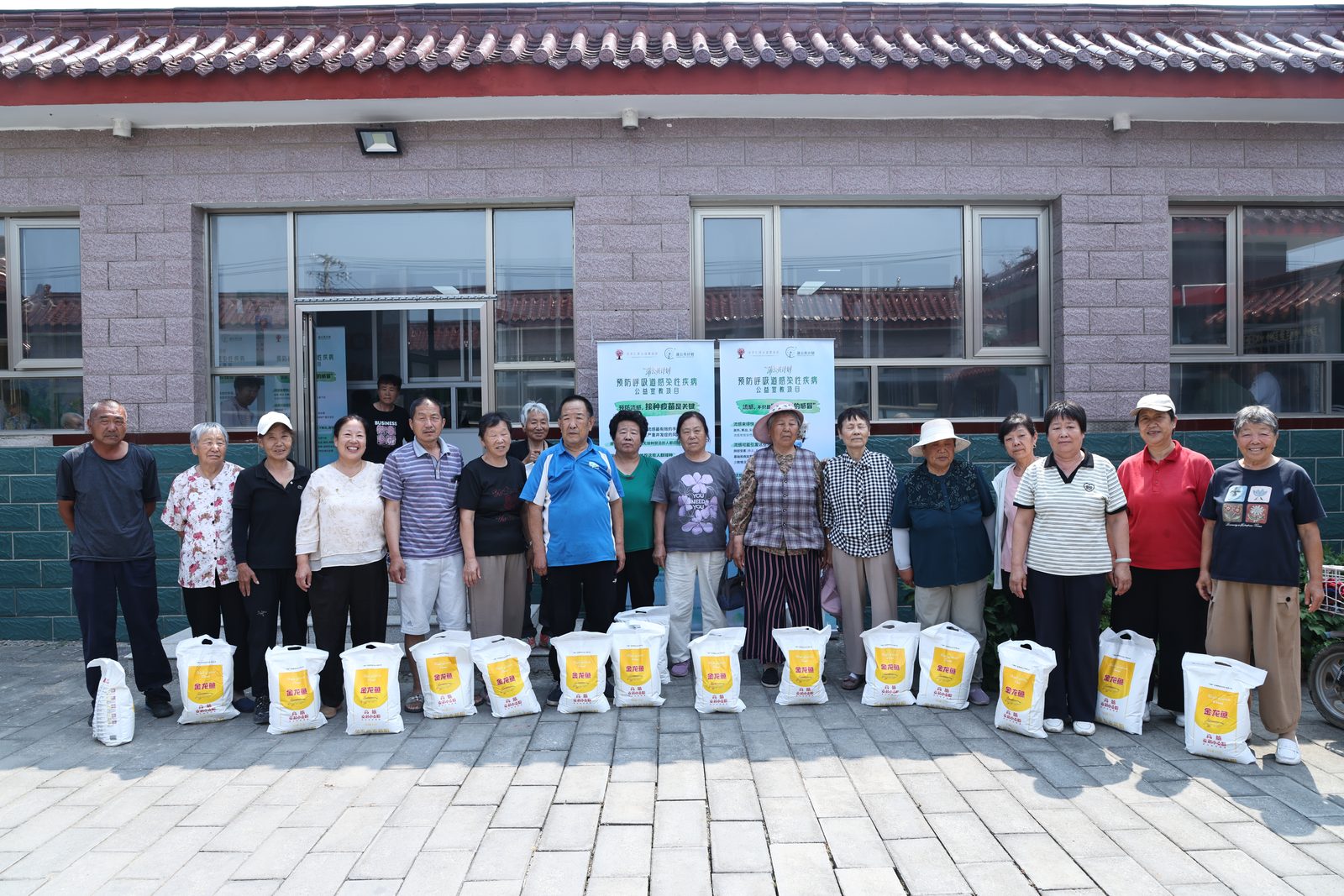
Post-session support materials documented the activity's completion.
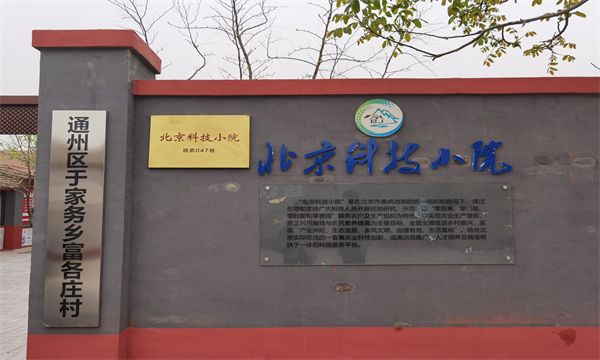
Public source photograph of the Beijing Science Courtyard in Fugezhuang Village.
Source: Beijing Municipal Agriculture and Rural Affairs Bureau / The Beijing News, 2022.
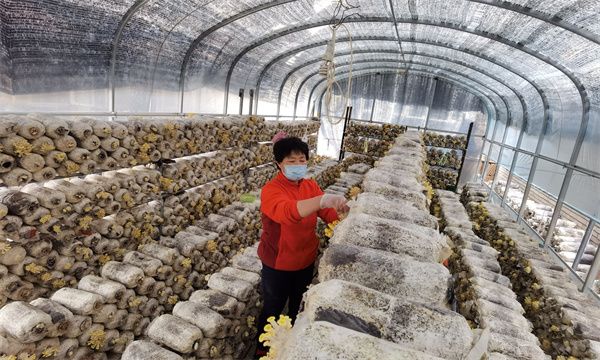
The image is included as a contextual community scene, not as a June 28 event photo.
Source: Beijing Municipal Agriculture and Rural Affairs Bureau / The Beijing News, 2022.
Downloadable project materials are provided for review.
Download course deck → Download survey results →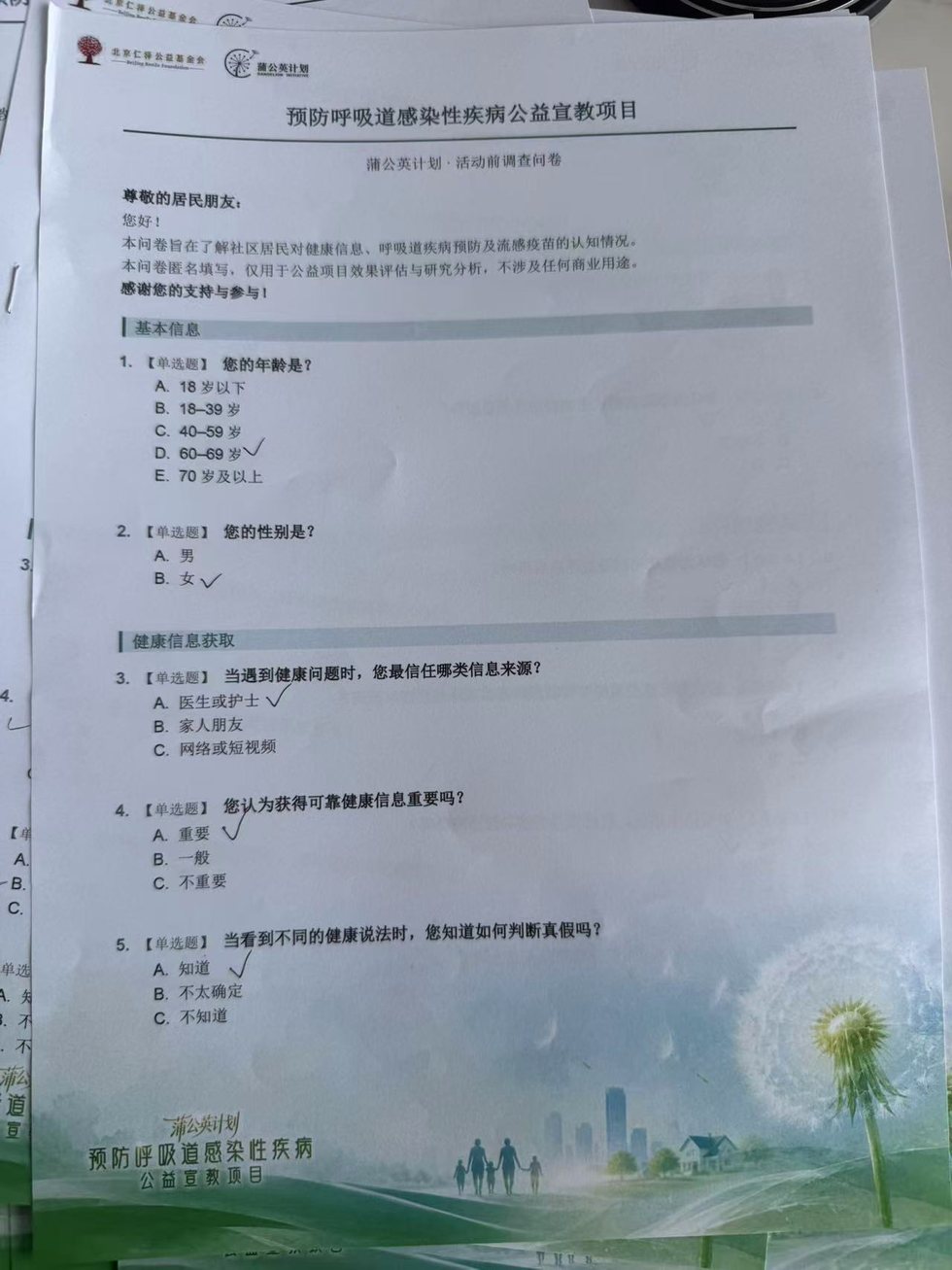
Anonymous baseline questionnaire.
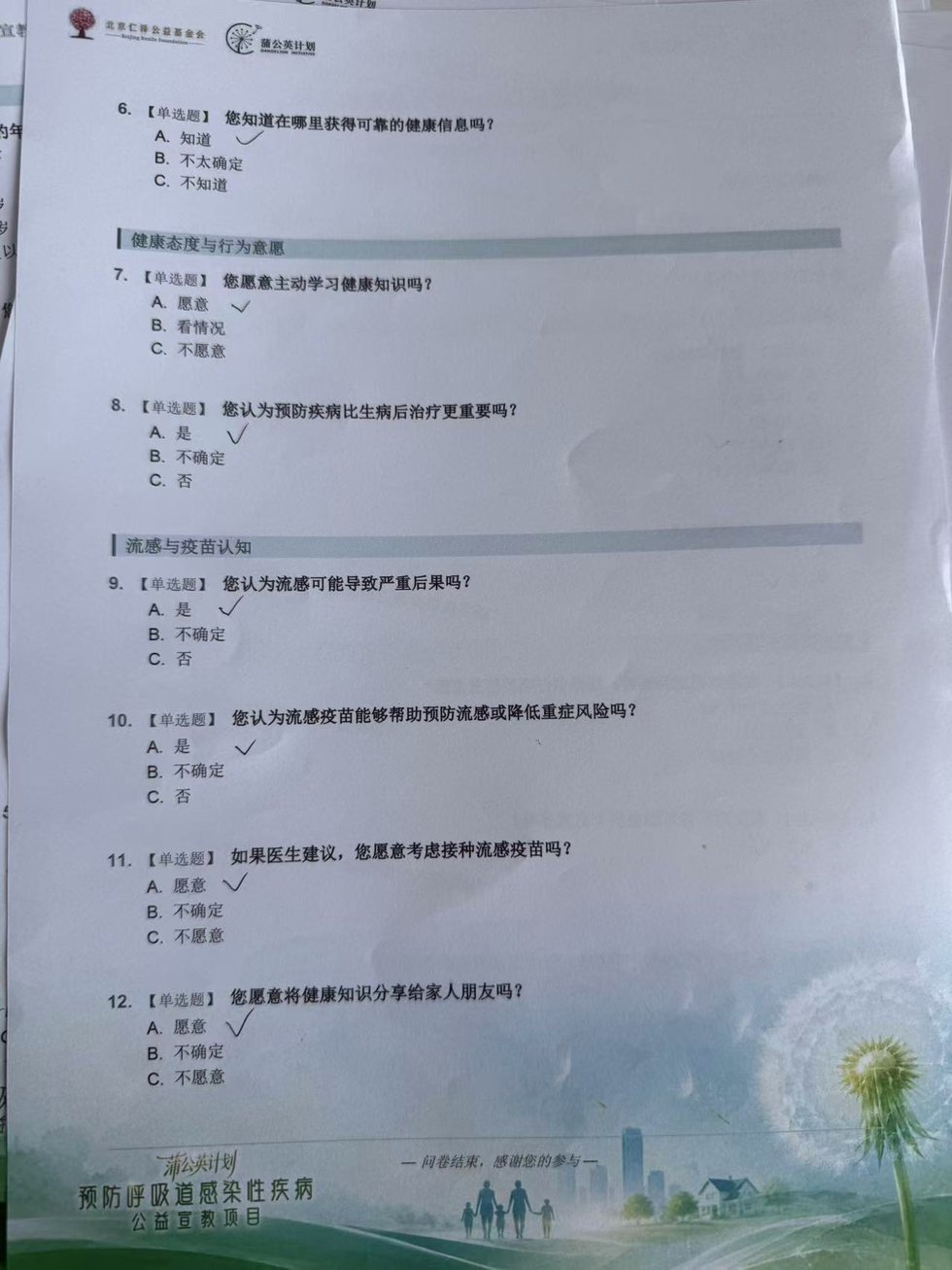
Items covered reliable information, prevention, vaccination, and sharing intention.
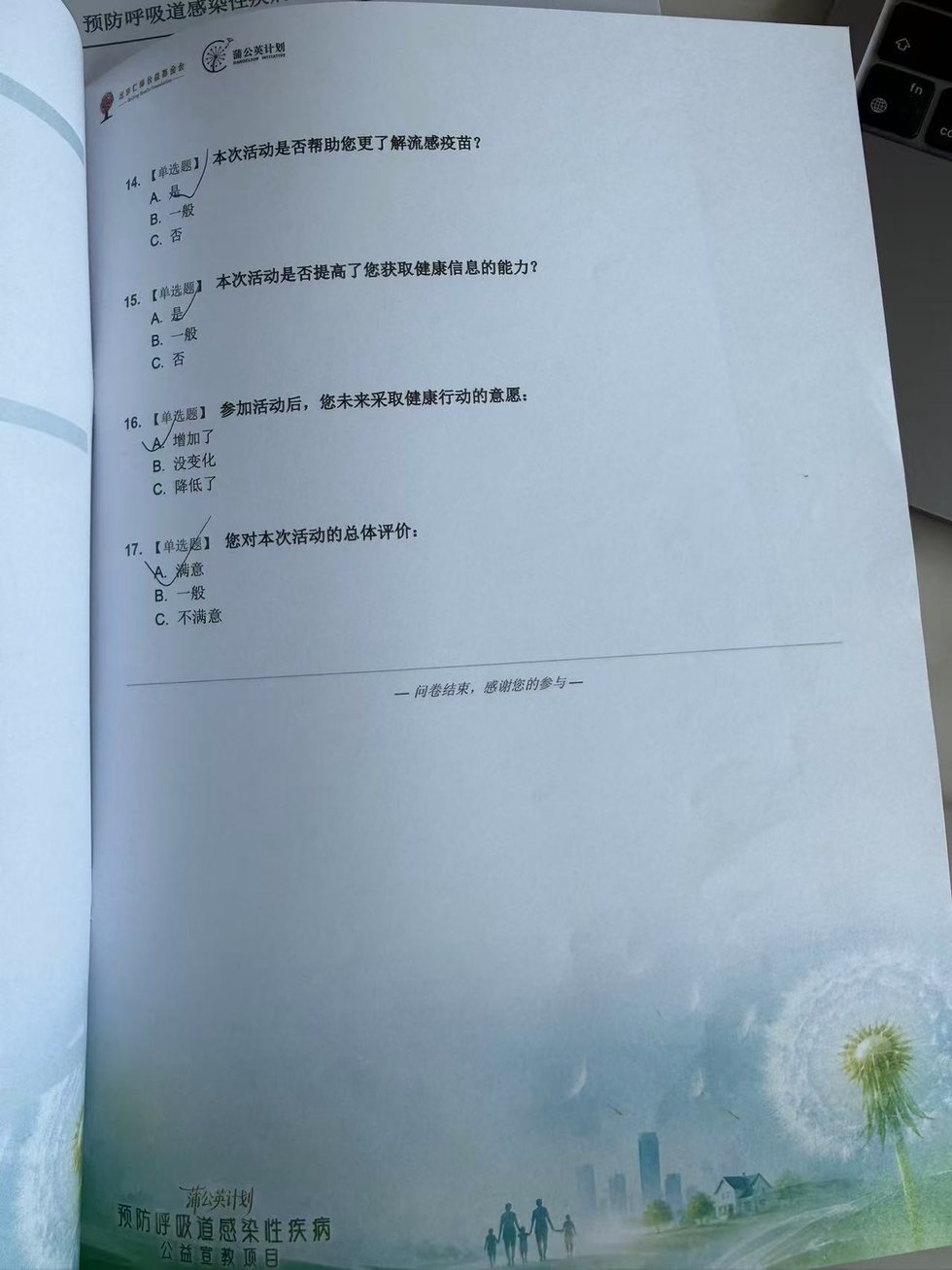
Post-session items documented understanding and satisfaction.
Privacy and safety note: questionnaire images are shown as anonymous project evidence.
What we observed
Understanding does not guarantee action
Many parents showed clear understanding of influenza transmission and vaccine benefits. However, hesitation remained when actual vaccination was discussed.
Knowledge alone is not sufficient to drive preventive behavior.
Trust is relational, not institutional
Parents were strongly influenced by local doctors, family members, and community figures — not generalized health messaging from distant authorities.
Trust is built through relationships, not information delivery alone.
Passive systems lead to inaction
Without stronger coordination from schools, clinics, or community structures, many families delayed or avoided decision-making altogether.
When action requires individual effort at every step, inaction becomes the default.
Risk perception is uneven and personal
Some parents underestimated influenza severity; others feared vaccine side effects more than the disease itself.
Perceived risk, not objective risk, often drives behavior.
Small barriers have disproportionate effects
Even when parents seemed open to vaccination, small constraints — time, logistics, uncertainty — often disrupted follow-through.
Behavioral friction, even when minor, can substantially reduce uptake.
These field observations challenged the assumption that awareness alone drives action.
From field observation to empirical research to scale
Three phases, each building on the last.
Design, research, fieldwork, and scale
Independently initiated and led by Kaylee Zhang.
Research & Framework Design
Kaylee identified the China-US vaccination gap as a research puzzle. She developed the Dandelion Decision Framework by synthesizing field observations with behavioral science.
Field Implementation (Jul 2025)
In Zhangcao Village, Kaylee organized the pilot, prepared bilingual materials, led on-site delivery, coordinated with village and county stakeholders, and documented field observations.
Beijing Activity & Survey (Jun 2026)
Kaylee designed the Beijing activity as a structured pre/post evaluation workflow.
Team & Volunteer Coordination
The project operates with a multi-role team spanning digital operations, visual design, content, documentary production, and field coordination.
Resource Mobilization
Kaylee raised 10,936 RMB to support student vaccination and health education, and proposed practical mechanisms to improve school-clinic-community coordination.
Next-Phase Scale-Up Design
From one village (2025) to a completed Beijing evaluation workflow (2026) to a proposed township expansion model.
The Beijing activity shows Kaylee's leadership as a working system.
Kaylee translated the framework into a teachable course.
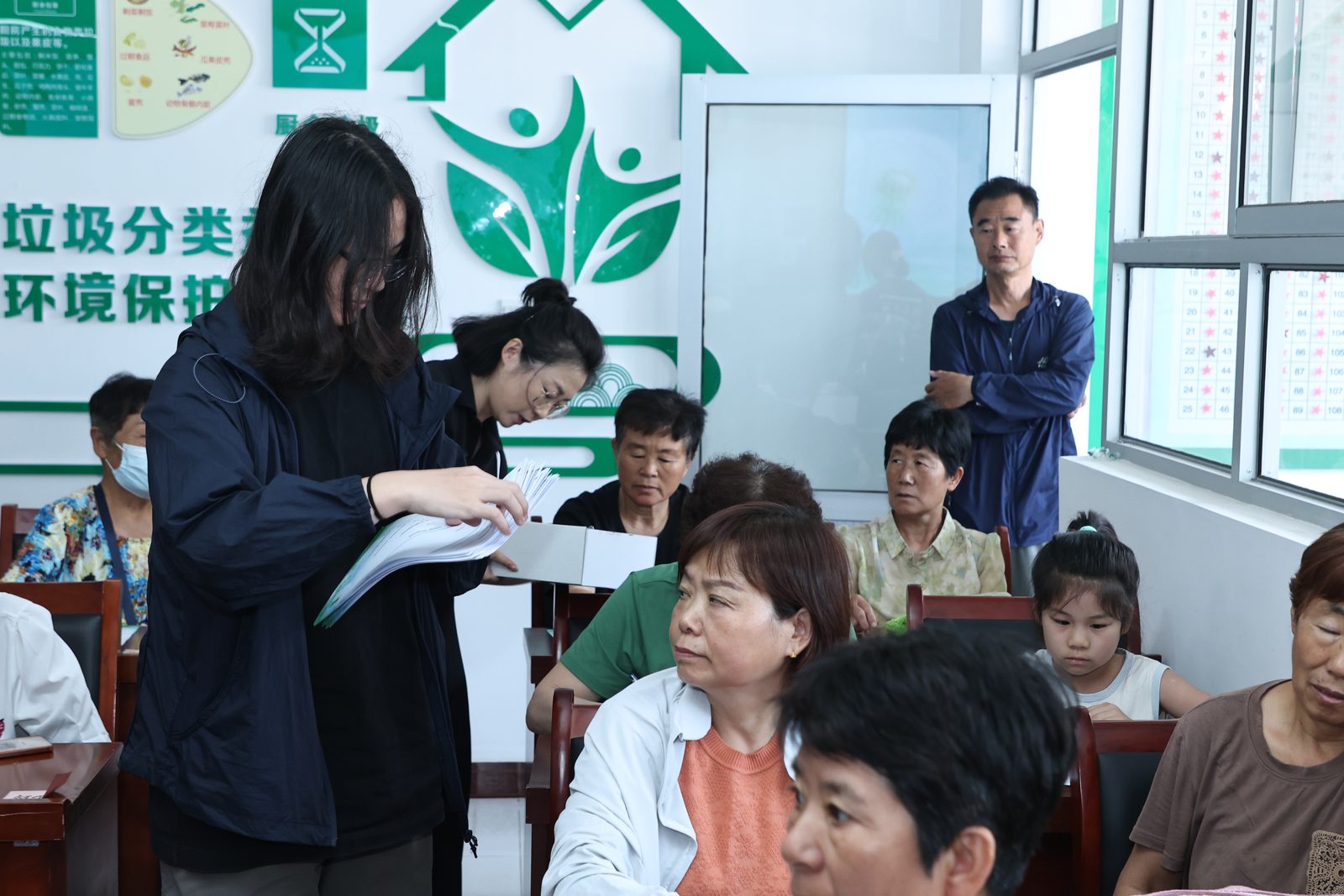
Volunteers helped with forms, participant flow, and one-on-one explanations.
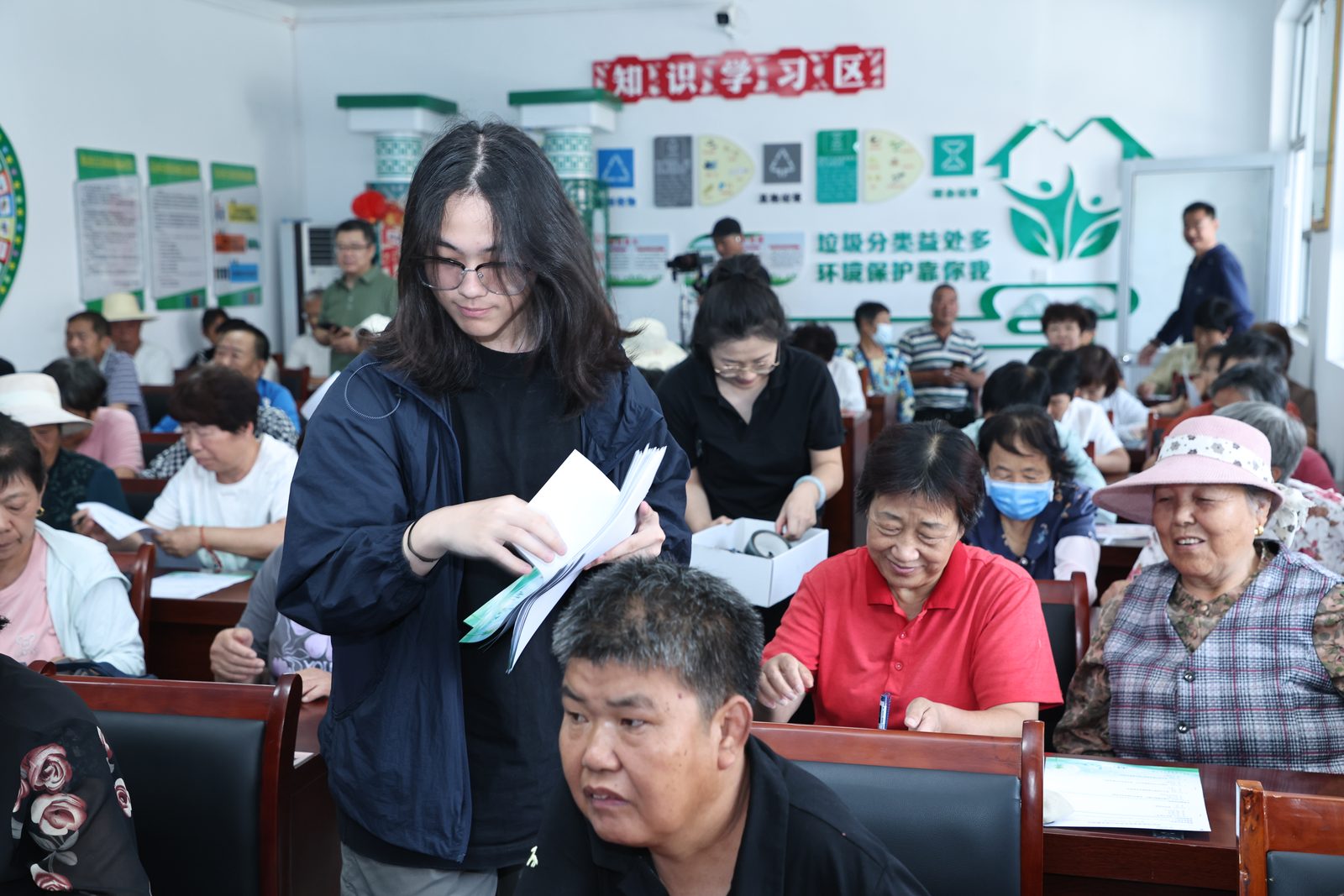
The team supported residents during the questionnaire process.
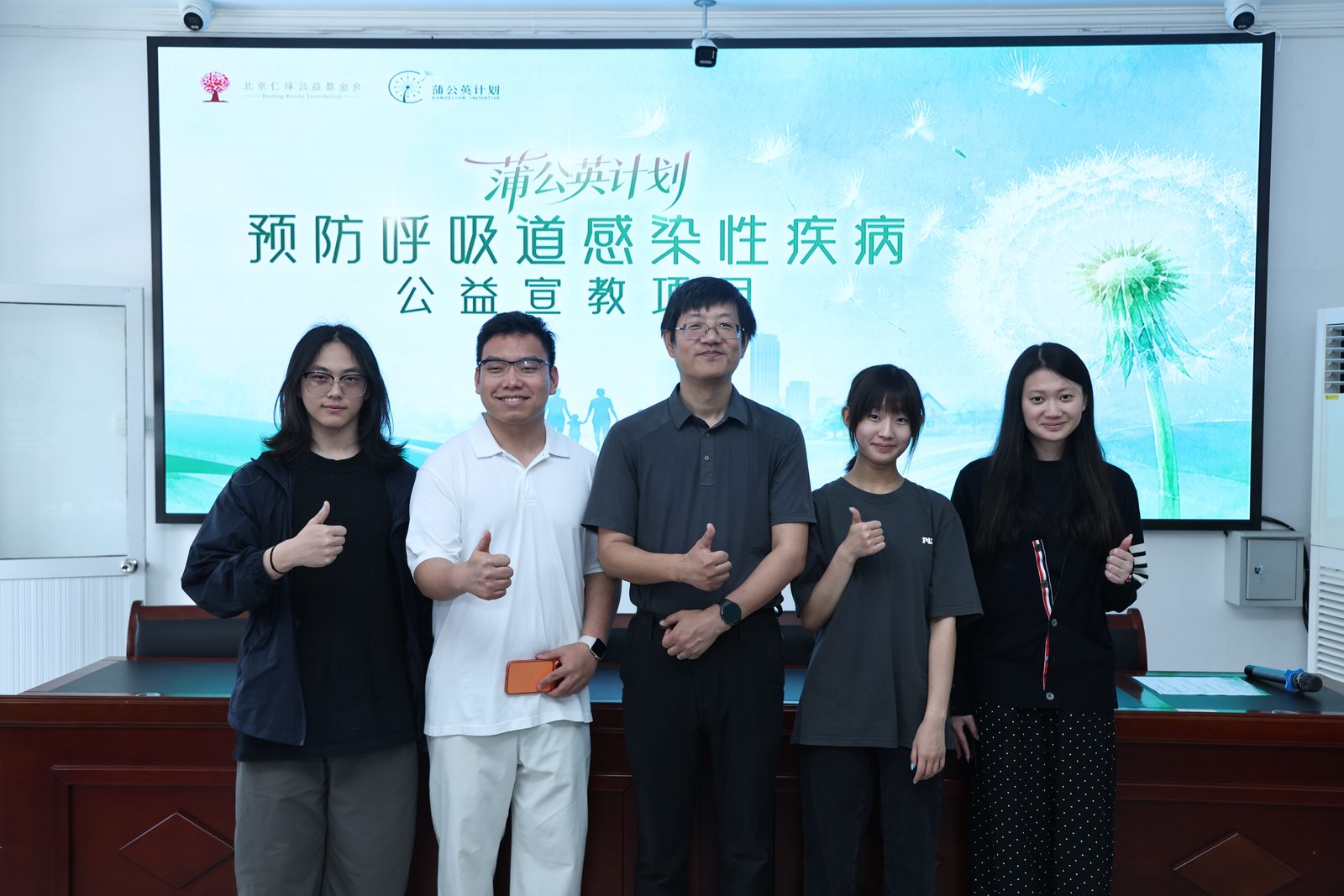
A multi-role field team supported the Beijing session.
Brand Design by Bai Mochen
Complete visual identity system — LOGO, posters, promotional materials, and digital assets.